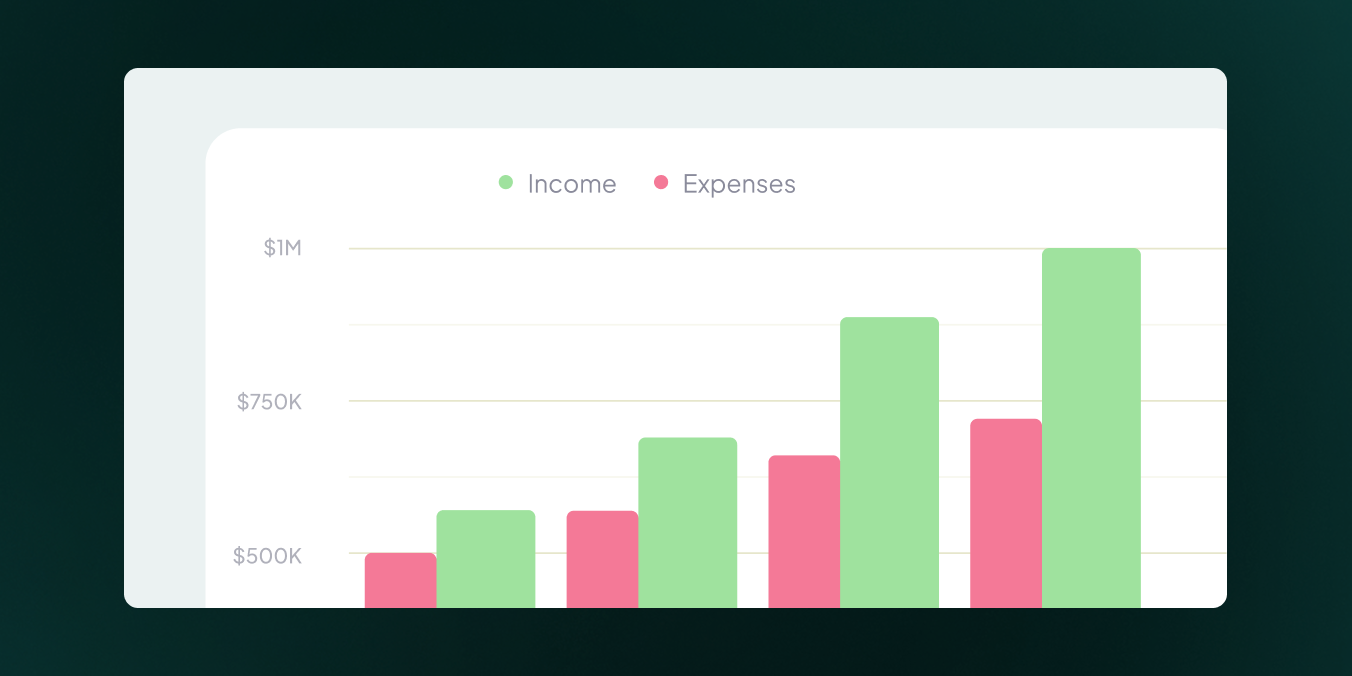

For most CFOs, the year-end review has evolved from a compliance-driven close to a broader evaluation of financial architecture, operational efficiency, and capital deployment. It is an opportunity to understand how financial decisions, cash flow management, and expense financing have supported or inhibited the company’s strategic objectives.
For companies that sell software, cloud services, and infrastructure, payment structure is not just a customer experience decision; it is a core lever for managing their own liquidity. Advancing collections, reducing reliance on extended net terms, and offering financing at the point of sale can materially improve cash flow, revenue predictability, and internal planning. Platforms such as Gynger enable vendors to get paid upfront while giving customers flexible payment options, making year-end an important moment to evaluate how these approaches impacted sales efficiency, cash management, and overall business performance heading into 2026.
1. Reviewing Financial and Operational Performance
A clear end-of-year assessment starts with validating the financial baseline: what happened, why it happened, and how expected outcomes diverged from actuals.
Revenue and Margin Alignment
A standard review includes:
- Actual vs. forecast revenue across each motion (new business, expansion, retention).
- Gross margin dynamics, especially where infrastructure or SaaS costs outpaced revenue growth.
- Changes in cost structure, where recurring tech spend may have scaled faster than demand.
Many CFOs uncover that their cost base is disproportionately influenced by annual or multi-year vendor commitments triggered at uneven times during the year. These can distort both monthly margin reporting and liquidity forecasting.
Cash Conversion and Liquidity Position
Evaluating liquidity throughout the year involves analyzing:
- DSO (Days Sales Outstanding) and collection volatility, did delayed receivables create periods of unnecessary cash strain?
- DPO (Days Payable Outstanding) flexibility, including how payment terms changed and where renegotiation stalled.
- Cash conversion cycle trends that reflect how capital flowed through the business.
Points of liquidity compression, often tied to technology renewals, infrastructure expansions, or upfront SaaS payments, should be examined as part of a broader financing strategy review.
Burn Rate and Runway
For growth-stage companies, runway sensitivity is key:
- How many months of runway were preserved through financing, and whether that additional runway reduced pressure to slow growth initiatives or raise capital prematurely.
- Were hiring and product cycles paced around cash availability rather than strategy, potentially delaying critical investments or forcing suboptimal prioritization decisions.
- Could liquidity have been extended through structured payment plans for large software vendors, smoothing cash outflows and improving flexibility during periods of uneven revenue or elevated spend.
This portion of the review forms the basis for improving capital planning next year.
2. Understanding Cashflow Behavior Through the Year
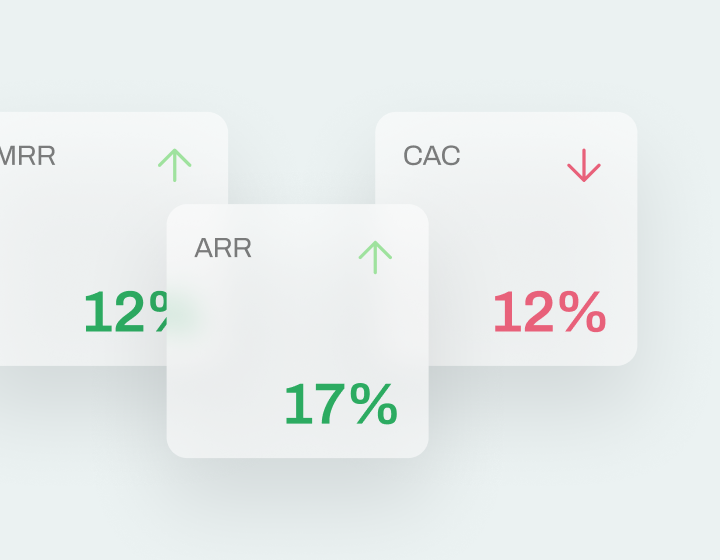
Cashflow patterns often provide more insight into operational health than income statements.
Identifying Concentrated Cash Outflows
Across industries, CFOs commonly see cashflow pressure tied to:
- Annual SaaS renewals, especially security, cloud, analytics, or enterprise tools.
- Usage-driven cloud spikes that rapidly inflate Cost of Goods Sold.
- Unexpected compliance, audit, or infrastructure expenses.
- Prepayments negotiated to secure volume or multi-year discounts.
These outflows can distort quarterly budgets and force reactive adjustments to hiring, product timelines, or GTM execution.
Evaluating Where Financing Could Have Smoothed Liquidity
A meaningful exercise is to model where financing could have changed the company's liquidity trajectory:
- Could the monthly amortization of large contracts have supported steadier cashflow?
- Would financing upfront multi-year commitments have prevented budget freezes?
- Did periods of constrained cash limit investment timing?
- Could offering customers financing, with Gynger paying invoices upfront, have generated an immediate cash injection, improving working capital and allowing the company to reinvest sooner?
This analysis clarifies which vendor expenses should be financed by default in 2026, and also highlights opportunities where offering customers financing can accelerate cash inflows, enhance working capital, and support stronger sales and revenue predictability.
Assessing Cashflow Volatility
CFOs map cashflow behavior against:
- Seasonal revenue patterns.
- Planned vs. unplanned infrastructure upgrades.
- Hiring waves and compensation cycles.
- Quarter-end contract behavior affecting both payables and receivables.
Patterns from 2025 provide more than baseline metrics; they reveal how financing decisions, customer payment structures, and cashflow management strategies interact to affect both short-term liquidity and long-term business planning, offering a deeper lens for strengthening financial resilience and forecasting accuracy for the new year.
3. Conducting a Financing Strategy Audit
Many companies now rely on financing not just for capital purchases, but for operating expenses, including software and technology commitments. Reviewing this strategy is essential to determining its effectiveness and to understanding how financing can accelerate cash inflows from large sales.
How Financing Was Used
CFOs should evaluate:
- Which expenses were financed, and the net cash was preserved.
- The timing and size of liquidity increases generated by financing, including upfront cash received from customers through financing solutions like Gynger.
- Whether financing decisions aligned with cashflow needs, were reactive, or could have accelerated revenue collection.
For tech-driven companies, Gynger often plays a role in managing SaaS, cloud, or infrastructure payments that otherwise require large upfront commitments, providing immediate cash injection to reinvest into operations or growth initiatives.
ROI and Business Impact of Financing
Financing should be assessed not only by its cost, but by how effectively it improves cash availability and enables faster reinvestment into the business:
- Did preserved cashflow support hiring that accelerated pipeline or product delivery?
- Did upfront payments from customer-financed sales fund marketing spend or strategic initiatives more quickly?
- Did it prevent delays in infrastructure investment?
- Did it support runway extension, reduce reliance on short-term borrowing, or enhance financial predictability?
Quantified outcomes help determine whether financing should be expanded next year and which sales strategies benefit most from offering customers flexible payment options.
4. Reviewing Reinvestment of Cashflow Into Growth Initiatives
Once liquidity is freed, the question becomes not just how it was deployed, but whether that deployment strengthened the company’s competitive position, growth velocity, and financial resilience.
Allocation of Preserved Capital
CFOs should track where liquidity created through optimized cashflow or financing ultimately went, because these decisions determine how effectively capital translated into durable business value:
- Sales hiring or quota expansion, which directly influences pipeline coverage, deal velocity, and revenue growth expectations.
- R&D acceleration and product investments, which affect time-to-market, differentiation, and long-term revenue durability.
- Infrastructure needed to support usage growth, ensuring customer experience and scalability keep pace with demand.
- Operational improvements and automation, which can reduce future cost growth and improve margin efficiency.
This analysis helps CFOs assess whether liquidity was allocated in line with strategic priorities, or whether capital was absorbed by reactive or low-return initiatives.
Impact Assessment
Evaluations should consider not only where capital was spent, but why the timing and outcome of those investments mattered:
- Did reinvested capital generate a measurable revenue impact or accelerate sales sooner than planned?
- Did infrastructure or tooling investments reduce risk, improve uptime, or prevent future service constraints?
- Did earlier access to cash enable faster market entry, expansion, or customer acquisition than would have been possible otherwise?
- Were investments made proactively while cash was available, or delayed due to conservative reserves and liquidity uncertainty?
Understanding the relationship between liquidity timing and business outcomes allows CFOs to better justify financing decisions, refine capital allocation frameworks, and build more confident growth plans heading into 2026.
5. Designing a More Predictable and Flexible Cashflow Strategy for 2026
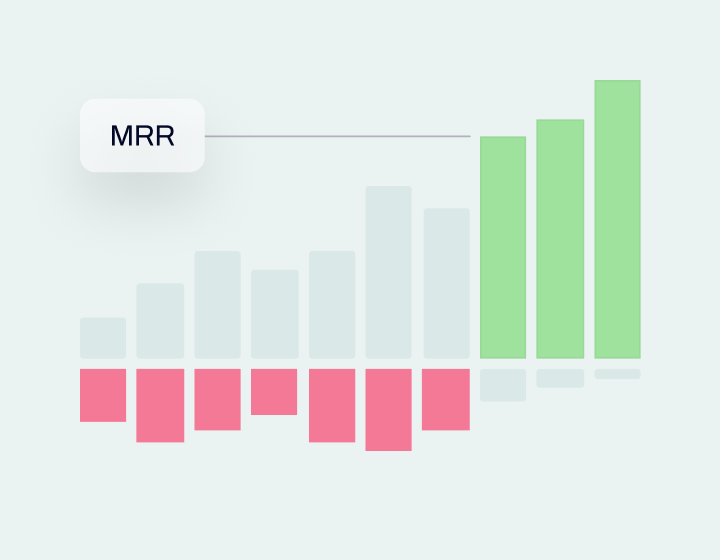
A CFO’s goal is not only to smooth cashflow but to ensure that capital planning drives business growth, mitigates risk, and supports strategic objectives.
Framework for Financing vs. Paying Upfront
A practical approach used by many CFOs, and its business impact:
- Finance multi-year SaaS, major cloud renewals, and infrastructure upgrades, which spreads costs over time, preserves cash for reinvestment, and ensures operational continuity.
- Pay upfront for short-term or non-material contracts, simplifying accounting and freeing credit capacity for strategic investments.
This approach protects liquidity, enables timely reinvestment, and maintains operational momentum, which is critical for responding quickly to market opportunities.
Enhancing Vendor Relationships
A structured financing strategy provides tangible business benefits:
- Improve negotiation leverage through upfront payment, potentially unlocking better pricing or service terms.
- Standardize internal payment timing, reducing surprises that can impact cash forecasting.
- Reduce friction between procurement, finance, and operating teams, enabling smoother operations and faster execution of growth initiatives.
These actions improve vendor confidence, operational predictability, and support strategic partnership opportunities.
Embedding Financing Into the Operating Model
To ensure financing supports long-term business goals:
- Incorporate financing assumptions into annual budgets, linking cash availability to strategic investments.
- Identify vendors likely to renew early or mid-year, so financing can be proactively applied to optimize liquidity.
- Predefine which expense categories will be financed, creating clear guidelines and avoiding ad hoc decisions.
- Reflect financing strategy in financial planning and analysis, and board materials, ensuring alignment between financial planning, growth initiatives, and corporate governance.
Embedding these practices strengthens the company’s ability to respond to opportunities, maintain growth momentum, and improve overall financial health heading into 2026.
6. Applying 2025 Lessons to Accelerate Sales and Liquidity in 2026
For vendors of software, cloud services, and infrastructure, the year-end review should also assess how financing influenced the ability to close deals, advance collections, and improve cash predictability. Financing is increasingly a go-to-market lever, not just a finance function.
CFOs should evaluate:
- Where large or multi-year deals were delayed, discounted, or restructured due to customer budget constraints or payment terms.
- Whether offering financing at the point of sale could have accelerated deal velocity and reduced friction late in the sales cycle.
- How upfront cash from financed deals would have changed working capital availability during critical growth periods in 2025.
Financing customer purchases allows vendors to decouple revenue recognition from cash collection timing. By receiving payment upfront while customers pay over time, companies can improve liquidity, fund growth earlier, and reduce reliance on extended net terms.
These insights help CFOs determine how financing should be embedded into pricing strategy, sales enablement, and forecasting models going into 2026.
7. How Gynger Supports CFOs Entering 2026
Gynger enables technology vendors and buyers to transact more efficiently by aligning sales execution with financial discipline.
For vendors, Gynger helps deliver tangible business benefits:
- Enable customers to finance software, cloud, and infrastructure purchases without delaying or downsizing deals, helping maintain revenue momentum and accelerate growth.
- Get paid upfront on invoices, accelerating cash inflows and improving working capital, which allows faster reinvestment into strategic initiatives.
- Reduce exposure to long net terms while maintaining competitive, customer-friendly payment options, lowering financial risk, and smoothing operations.
- Improve forecast accuracy by separating sales execution from collection risk, enhancing decision-making and planning.
For companies purchasing technology, Gynger provides flexibility that drives operational and financial value:
- Convert large upfront technology commitments into predictable payments, easing budget pressures and supporting continuous investment.
- Preserve cash while continuing to invest in critical tools and infrastructure, sustaining growth without straining liquidity.
- Better align technology spend with revenue growth and operating cycles, improving planning and financial predictability.
Gynger helps companies maintain a more stable financial environment, providing flexibility and predictability in cashflow and planning as they exit 2025 and prepare for 2026.
Building Predictable Growth and Financial Resilience Through Strategic Financing
A comprehensive year-end review gives CFOs clarity into how financial decisions influenced growth, liquidity, and operational performance throughout the year. For technology vendors in particular, the structure of customer payments and the availability of financing play a direct role in sales efficiency, cash generation, and financial resilience.
Using financing strategically, both to manage internal expenses and to enable customer purchases, allows companies to advance collections, unlock earlier access to cash, and reinvest more aggressively into growth initiatives. As technology spend continues to increase and sales cycles remain sensitive to budget constraints, platforms like Gynger provide infrastructure that supports a stronger selling motion alongside improved financial well-being.
Entering 2026, CFOs who integrate financing into both their go-to-market strategy and financial planning will be better positioned to drive predictable growth, maintain liquidity, and operate with greater confidence.
Unlock the full article
This section is reserved for users. Sign in to continue reading or connect with our team to learn more.
Want to learn about how Gynger can help your business accelerate without compromise?
Get in touch


